

Services
Root Canals
Root Canals
Few dental procedures carry as much undeserved anxiety as a root canal. Most of that fear comes from outdated assumptions, and the reality is that modern root canal treatment is often comparable to getting a filling. At 26 North Dental, we use the latest technology and advanced techniques to make root canals in Parkland, FL, more efficient, comfortable, and precise, helping reduce stress, discomfort, and treatment time whenever possible. Our focus is on relieving your pain, preserving your natural tooth, and making the experience as smooth as possible. Dr. Geoff Bennett and our team take the time to explain each step clearly, so you always know what to expect and can feel confident in your care.
What Is a Root Canal and When Is It Needed?
Inside every tooth, beneath the hard outer layers, is a soft tissue called the pulp. It contains nerves and blood vessels that help the tooth develop. When the pulp becomes infected or severely inflamed, it can cause significant pain and, if left untreated, lead to an abscess, bone loss, and even tooth loss.
A root canal removes the damaged pulp, cleans and seals the inside of the tooth, and allows you to keep the natural tooth rather than having it extracted.
Signs that a root canal may be needed include:
- Severe, persistent toothache that gets worse when you bite down or apply pressure
- Prolonged sensitivity to hot or cold after the source has been removed
- A darkening or discoloration of the tooth
- Swelling or tenderness in the nearby gums
- A pimple-like bump on the gum near the affected tooth
Not every toothache points to a root canal, but these symptoms together warrant prompt evaluation.
How the Procedure Actually Works
Root canal treatment is more routine than most patients expect. Here’s what the process typically looks like from start to finish.
We begin with imaging to pinpoint the infection’s location and extent. Once we have a clear picture, we numb the area thoroughly with local anesthesia. Most patients feel pressure during the procedure rather than pain. If at any point you’re uncomfortable, let us know, and we’ll adjust.
With the area numb, we isolate the tooth and create a small opening to access the pulp chamber. We then remove the infected tissue, clean and shape the canal system, and flush it to eliminate bacteria. The canals are filled with a biocompatible material and sealed. Most appointments run between 60 and 90 minutes, depending on the complexity of the tooth and the number of canals involved.
After the root canal, the tooth will need a permanent restoration. In most cases, that means a crown, which protects the tooth and restores full function. We’ll discuss timing and next steps before you leave.
Does It Hurt?
This is the question we hear most often, and the honest answer is no, not the way people expect. The discomfort that brings patients in, the throbbing, the pressure, the sensitivity, is caused by the infection itself. The root canal is what ends that.
During the procedure, local anesthesia keeps you comfortable. Afterward, some tenderness around the treated tooth is normal for a few days as the tissue heals. Over-the-counter pain relievers handle that for most patients. The relief from the original infection pain typically outweighs any post-treatment soreness by a significant margin.
Recovery After Root Canal Treatment
Recovery from root canals in Parkland is generally straightforward. Most patients return to normal activity the following day. A few things help the healing process go smoothly:
- Avoid chewing on the treated tooth until the permanent restoration is in place.
- Eat softer foods for the first day or two.
- Brush and floss gently around the area
- Take any prescribed or recommended medications as directed.
We schedule a follow-up to assess healing and proceed with the crown or permanent filling when the tooth is ready. If anything feels off before that appointment, you can reach us by phone, and we’ll advise you on the next steps.
Why Save the Tooth Instead of Extracting It?
It’s a fair question. Extractions can seem simpler, and sometimes they’re the right call. But keeping your natural tooth when possible has real advantages that go beyond convenience.
Your natural teeth support each other. When one is lost, neighboring teeth can drift toward the gap over time, creating alignment problems that are harder to fix later. The jawbone beneath a missing tooth also begins to deteriorate without the stimulation that a tooth root provides. Replacing an extracted tooth with an implant or bridge adds time, cost, and additional procedures.
A root canal followed by a proper crown lets you keep the original tooth, maintain your bite, and avoid all of that. The tooth won’t have sensation after treatment, but it functions like any other tooth.
What to Expect at 26 North Dental
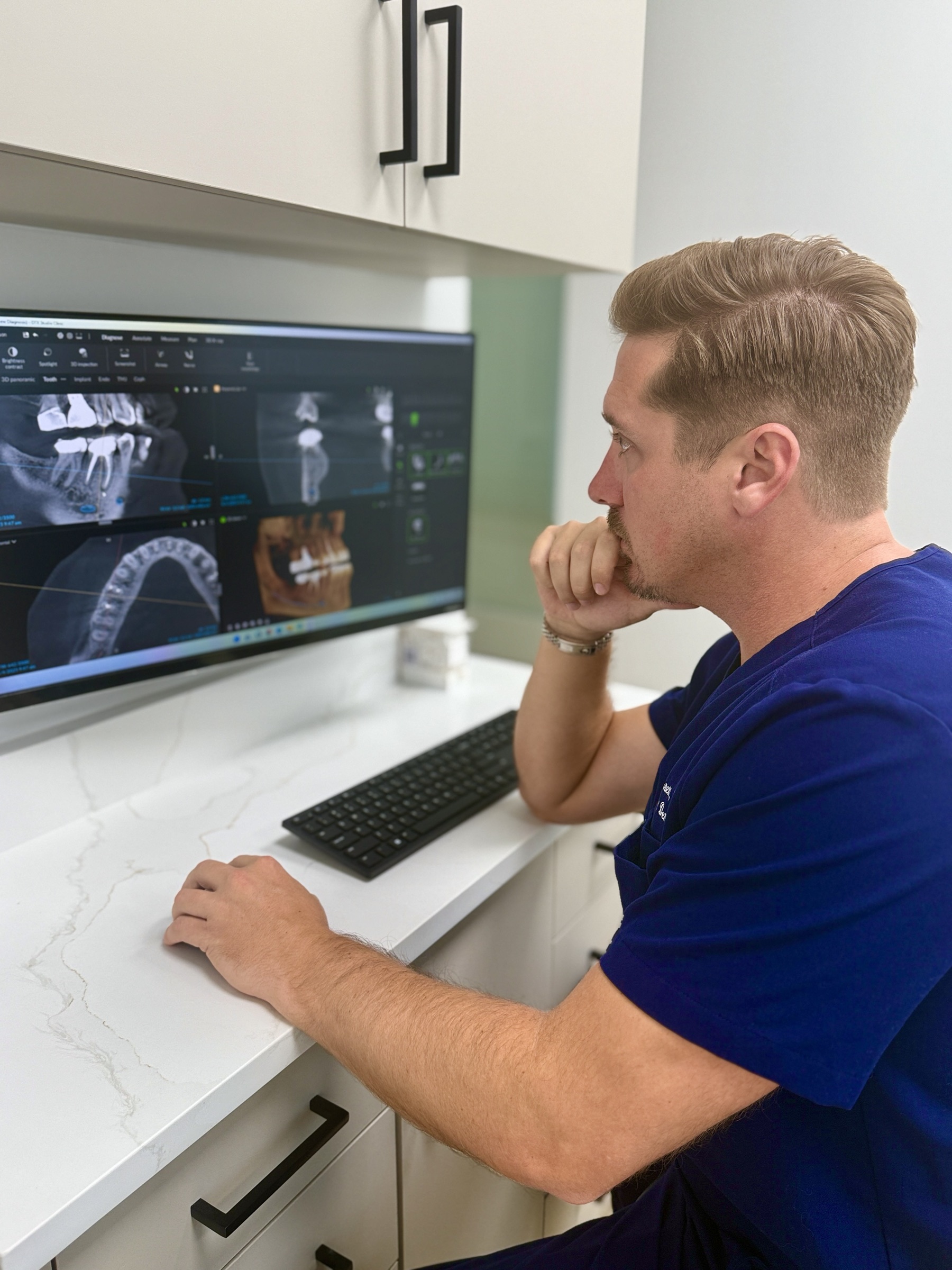
We treat root canal patients the same way we treat every patient, with clear communication, careful technique, and follow-through. Using advanced diagnostic imaging and modern endodontic technology, we can evaluate the affected tooth with greater precision and plan treatment more accurately. You’ll know what we found in your imaging, what the procedure involves, and what the recovery looks like before anything begins.
Schedule an Exam in Parkland
If you’re dealing with tooth pain that isn’t going away, don’t put it off. Infections don’t resolve on their own and tend to get worse without treatment. Call 26 North Dental to schedule an exam and let us take a look. We’ll tell you honestly what we find and what your options are.
Frequently Asked Questions About Root Canals
Does a Root Canal Hurt?
This is the most common question we hear, and the answer is no. Modern root canal treatment is designed to relieve pain, not cause it. Local anesthesia keeps the area numb during the procedure, making the experience similar to receiving a filling. Most patients are surprised by how comfortable the treatment is.
How Long Does a Root Canal Take?
Most root canal appointments take between 60 and 90 minutes, depending on the tooth’s location and the complexity of the root canal system. Some cases may require more than one visit, but many can be completed in a single appointment.
How Do I Know If I Need a Root Canal?
Common signs include severe tooth pain, lingering sensitivity to hot or cold temperatures, swelling around the gums, tooth discoloration, or a pimple-like bump near the affected tooth. A dental exam and diagnostic imaging are the best ways to determine whether root canal treatment is necessary.
What Happens If I Delay Treatment?
An infected tooth will not heal on its own. Delaying treatment can allow the infection to spread, increasing the risk of an abscess, bone loss, worsening pain, and eventual tooth loss. Early treatment is usually simpler and helps preserve the natural tooth.
Will I Need a Crown After a Root Canal?
In most cases, yes. A crown helps protect the treated tooth from fracture and restores normal chewing function. We will evaluate your specific situation and recommend the most appropriate restoration.
How Long Does Recovery Take?
Most patients return to their normal routine the next day. Mild soreness or tenderness for a few days is common and can usually be managed with over-the-counter pain relievers. Following your post-treatment instructions will help ensure a smooth recovery.
Is It Better to Get a Root Canal or Have the Tooth Extracted?
Whenever possible, saving your natural tooth is the preferred option. A root canal allows you to keep the tooth, maintain proper bite alignment, and avoid the additional time and expense associated with replacing an extracted tooth with an implant or bridge.
How Successful Are Root Canals?
Root canal treatment has a very high success rate. With proper restoration and good oral hygiene, a tooth that has undergone root canal therapy can often last for many years, and in many cases, for a lifetime.
Let’s talk through your options.
Schedule a visit with 26 North Dental and we’ll help you understand what’s happening, what your options are, and what makes sense for your smile.