

Services
Oral Surgery
Oral Surgery
The words “oral surgery” have a way of making people tense up, and that reaction is understandable. But for many patients, putting off a necessary procedure only makes the problem harder to treat later. Oral surgery in Parkland, FL, at 26 North Dental is handled with clear communication, careful planning, and a focus on making the experience as manageable as possible from start to finish. Dr. Geoff Bennett and our team explain what each procedure entails, what to expect during recovery, and your options before making any decisions.
What Oral Surgery Involves
Oral surgery encompasses a range of procedures beyond routine dental care. At our Parkland office, common procedures include:
- Tooth extractions, for teeth that are severely damaged, decayed beyond repair, or causing crowding.
- Surgical extractions for teeth that are impacted, have broken down significantly, or can’t be removed with a simple extraction due to root anatomy or other complications.
- Bone grafting to rebuild jawbone volume lost after an extraction or due to long-term tooth loss.
- Dental implant placement, positioning the implant into the jaw as the foundation for a permanent restoration
Not every situation requires surgery. During your consultation, we evaluate the tooth, the surrounding bone, and your overall oral health to determine whether a surgical approach is actually necessary or whether a less invasive option might work just as well.
When Oral Surgery Becomes Necessary
Some dental conditions are commonly treated with oral surgery. A tooth that can’t be restored with a root canal or crown, an impacted wisdom tooth causing pain or affecting neighboring teeth, or a jaw that requires bone grafting before implant placement may all be situations where surgery is recommended.
Even in these cases, treatment decisions are never made without a thorough evaluation. Every patient’s needs are different, and our goal is always to recommend the most conservative and effective option available. If a tooth can be saved, we’ll discuss those possibilities. If surgery is the best solution, we’ll explain why and answer any questions you have before moving forward.
What to Expect at Your Consultation
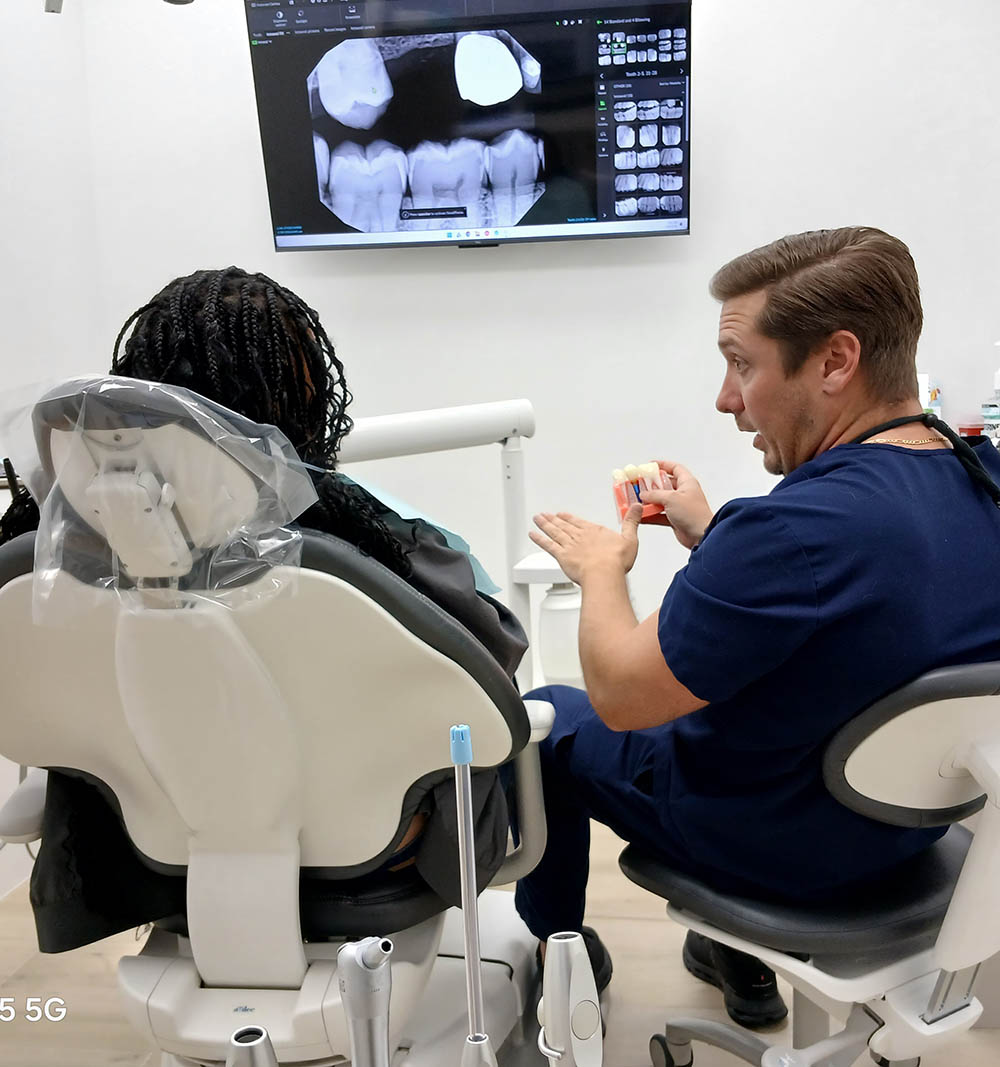
Before any oral surgery in Parkland is scheduled, you’ll meet with our team for a comprehensive consultation. We’ll review your medical history, take any necessary imaging, evaluate the area of concern, and explain your treatment options in clear, straightforward language so you can make an informed decision with confidence.
We cover the practical details patients typically want to know upfront: what anesthesia options are available, whether you’ll need someone to drive you home, how long you should plan to be out of work, what you can eat afterward, and how to manage pain during recovery. We also go over risks and realistic expectations so there are no surprises.
If you’re anxious about the procedure, that’s worth mentioning during the consultation. We can discuss oral conscious sedation and other anxiety-management options, when appropriate, to help make your experience more comfortable.
How Procedures Are Performed
The specifics vary by procedure, but the general approach stays consistent: thorough preparation, careful technique, and attention to protecting surrounding tissue.
For extractions, we numb the area completely before beginning. Simple extractions involve loosening and removing the tooth with minimal disruption to the surrounding gum and bone. Surgical extractions, typically for impacted teeth, may involve a small incision and sectioning the tooth for easier removal. We use precise instruments designed to minimize trauma to the site, which supports faster healing.
For bone grafting, we place graft material at the extraction site or in a bone-loss area to encourage new bone growth. This step is often performed at the same time as an extraction when an implant is planned for that site, which means fewer appointments and a more streamlined experience for you.
Recovery: What the Healing Process Actually Looks Like
Recovery from oral surgery varies depending on the procedure, but we give every patient written aftercare instructions and a follow-up appointment before they leave. General guidance for most procedures includes:
- Managing swelling with cold compresses during the first 24 to 48 hours
- Eating soft foods and avoiding anything hard, crunchy, or chewy while the site heals
- Keeping the area clean without disturbing the clot or sutures
- Taking prescribed or recommended pain medication as directed
- Avoiding smoking, which significantly slows healing
Minor extractions typically heal within a week or two. More involved procedures, such as impacted wisdom tooth removal or bone grafting, take longer, and we monitor healing at follow-up visits to confirm that things are progressing well.
If something feels off before your next scheduled appointment, including prolonged bleeding, increasing pain after the first couple of days, or signs of infection, call us. We’d rather you reach out to confirm everything is fine than wait on something that needs attention.
Why Delaying Oral Surgery Often Makes Things Worse
It’s tempting to wait and see if a problem resolves on its own, but dental issues that require surgery rarely improve without intervention. An impacted wisdom tooth doesn’t become less impacted over time. A tooth that needs extraction can develop an abscess. Bone loss continues if it’s not addressed. The longer a surgical problem goes untreated, the more complex and potentially costly the solution becomes.
FAQ
Is oral surgery always necessary?
No. We first evaluate your tooth, bone, and overall oral health to see whether a less invasive option may work.
Will I be numb during the procedure?
Yes. The area is fully numbed before treatment begins, and anesthesia options are reviewed during your consultation.
Will the procedure hurt?
No. Before any oral surgery begins, the area is thoroughly numbed to help keep you comfortable during treatment. Most patients feel pressure or movement rather than pain. After the procedure, some soreness and swelling are normal, but we provide detailed aftercare instructions and pain management recommendations to support a smooth recovery. If you’re concerned about anxiety or discomfort, ask us about available comfort and sedation options during your consultation.
How long does recovery take?
Minor extractions often heal within a week or two. Impacted wisdom teeth removal or bone grafting may take longer.
What can I eat after oral surgery?
Stick with soft foods and avoid hard, crunchy, or chewy foods while the site heals.
When should I call the office after surgery?
Call if you notice prolonged bleeding, worsening pain after the first few days, or signs of infection.
How do I know if I need a tooth extraction or a root canal?
Not every damaged or infected tooth needs to be extracted. In many cases, a root canal can save the tooth. We evaluate each situation individually and will always present your options before recommending an extraction.
Do I need a bone graft after an extraction?
Not always, but if you’re planning to replace the tooth with a dental implant, a bone graft at the time of extraction can help preserve the jawbone and improve implant outcomes. We’ll let you know during your consultation whether it’s recommended for your situation.
How soon can I get a dental implant after an extraction?
It depends on the site’s condition and whether a bone graft is needed. In some cases, implants can be placed the same day as the extraction. In others, a healing period of several months may be recommended first. We’ll create a timeline based on your specific treatment needs.
Is wisdom tooth removal always necessary?
Not always. We monitor wisdom teeth through examinations and X-rays and only recommend removal when they are impacted, causing crowding, posing an infection risk, or potentially damaging neighboring teeth.
Schedule an Oral Surgery Consultation in Parkland
If you’ve been referred for oral surgery or suspect you may need a procedure, getting an evaluation is the right first step. Call 26 North Dental to schedule a consultation. We’ll review your imaging, answer your questions honestly, and outline exactly what treatment would involve so you can make an informed decision without pressure.
Let’s talk through your options.
Schedule a visit with 26 North Dental and we’ll help you understand what’s happening, what your options are, and what makes sense for your smile.